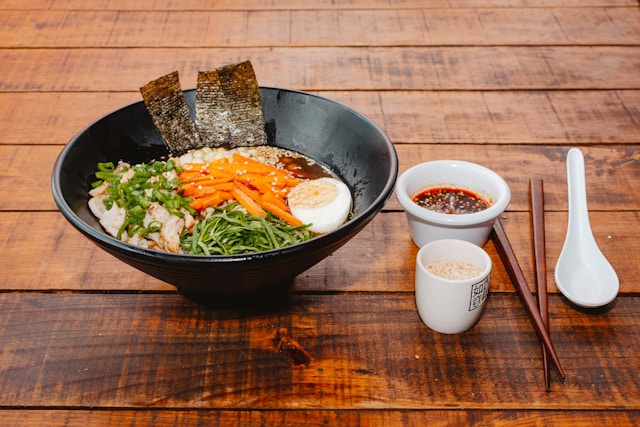


Japan is home to some of the world’s longest-living people. The island of Okinawa, once famous for its unusually high concentration of centenarians, has been studied by researchers and nutrition experts for decades. And time and again, the conversation circles back to one thing: what Japanese people eat.
But does Japanese food actually deserve its health halo? Or is this one of those cases where cultural mythology has outpaced the science? The honest answer is nuanced. Japanese cuisine has real, well-documented health benefits—but like any food culture, it’s not without its complications.
This post breaks down the nutritional profile of traditional Japanese cuisine, examines the science behind its benefits, and looks at where the modern version of this cuisine falls short.
What Makes Traditional Japanese Cuisine Different
Before getting into the health specifics, it helps to understand what sets Japanese food apart from typical Western diets.
Traditional Japanese meals are built around a few core principles: balance, variety, and restraint. A standard meal often includes a bowl of rice, a serving of miso soup, a protein (usually fish or tofu), and two or three small vegetable dishes. This structure—known as ichiju sansai (one soup, three sides)—naturally creates portion control and nutritional variety without requiring much deliberate planning.
Compare this to the average Western plate, which tends to center on a large protein portion with minimal vegetable variety. The contrast in structure alone has significant downstream effects on caloric intake, fiber consumption, and nutrient diversity.
Japanese cuisine also relies heavily on fermented foods, seafood rich in omega-3 fatty acids, soy-based proteins, and green tea—all of which have well-established links to better health outcomes.
The Key Health Benefits of Japanese Food
High in Omega-3 Fatty Acids
Fish is central to Japanese cooking. From grilled mackerel to salmon sashimi to sardines in miso soup, seafood appears at nearly every meal in traditional Japanese households. This matters because oily fish is one of the richest dietary sources of omega-3 fatty acids—specifically EPA and DHA.
Omega-3s play a critical role in heart health, reducing inflammation, and supporting brain function. Japan has one of the lowest rates of heart disease among developed nations, a fact that researchers have repeatedly linked, at least in part, to high fish consumption.
Fermented Foods Support Gut Health
Miso, soy sauce, natto, tsukemono (pickled vegetables), and sake all go through fermentation—a process that creates beneficial bacteria and enzymes. These fermented foods are staples of Japanese cooking, not occasional additions.
A diverse gut microbiome is associated with reduced risk of inflammatory diseases, better immune function, and improved mental health outcomes. While fermented foods alone aren’t a cure-all, their consistent presence in the Japanese diet likely contributes to its overall health profile.
Natto, in particular, deserves a mention. This sticky, pungent fermented soybean dish is an acquired taste, but it’s nutritionally remarkable—packed with protein, vitamin K2, and a compound called nattokinase that has been studied for its potential to support cardiovascular health.
Low in Saturated Fat
Traditional Japanese cooking uses very little butter, cream, or red meat—the main sources of saturated fat in many Western diets. Instead, cooking methods like steaming, simmering, and light sautéing are preferred, which keeps fat content low without sacrificing flavor.
Even Japanese sauces and condiments, like ponzu or dashi-based broths, tend to be light and low in fat. This isn’t just a cooking preference; it’s deeply embedded in the culinary philosophy of letting natural flavors speak for themselves.
Mindful Eating Is Baked Into the Culture
Japanese food culture includes a concept called hara hachi bu—eating until you’re 80% full. This practice, most commonly observed in Okinawa, reflects a broader cultural attitude toward food as nourishment rather than excess.
Portion sizes in Japan are noticeably smaller than in Western countries, and meals are typically eaten slowly, with attention paid to presentation and taste. Research consistently shows that eating slowly and mindfully is associated with lower caloric intake and better satiety signals.
Rich in Antioxidants
Green tea (matcha and sencha) is consumed in enormous quantities throughout Japan. Both varieties are high in catechins, a class of antioxidants that have been linked to reduced risk of certain cancers, lower blood pressure, and improved cholesterol levels.
Beyond tea, Japanese cuisine incorporates antioxidant-rich ingredients like edamame, seaweed, shiitake mushrooms, and tofu. These foods are high in vitamins, minerals, and phytonutrients that support long-term cellular health.
A High-Fiber Diet
Rice gets a bad reputation in low-carb circles, but traditional Japanese diets actually include a significant amount of dietary fiber—just not from the sources most Westerners are familiar with. Seaweed, root vegetables like burdock root (gobo), mushrooms, and fermented foods all contribute to a fiber-rich diet that supports digestive health and helps regulate blood sugar levels.
Where Japanese Cuisine Falls Short
No cuisine is perfect, and Japanese food is no exception. A few elements of traditional and modern Japanese cooking are worth being aware of.
High Sodium Content
This is arguably the biggest nutritional downside of Japanese food. Soy sauce, miso, pickled vegetables, and cured fish are all high in sodium. A single tablespoon of regular soy sauce contains around 900 milligrams of sodium—nearly 40% of the recommended daily intake.
Japan has one of the highest rates of stroke in the developed world, a health issue that epidemiologists have long associated with high sodium consumption. This is a genuine tension within the health narrative around Japanese food: many of its most healthful elements come packaged with significant salt.
Low-sodium soy sauce and reduced-salt miso exist and are increasingly popular, but traditional recipes often use the real thing in generous quantities.
Refined White Rice
White rice is the staple carbohydrate of Japanese cuisine, consumed at almost every meal. Unlike brown rice, white rice has been milled to remove the bran and germ, stripping away much of its fiber and micronutrient content.
Frequent white rice consumption has been associated with higher glycemic response, which over time can contribute to insulin resistance. Interestingly, some studies show that populations like Japan manage this risk through smaller portion sizes, the buffering effect of eating rice alongside fiber-rich foods, and lower overall caloric intake—but it’s still worth noting.
Modern Japanese Food Is a Different Story
It’s important to distinguish between traditional Japanese home cooking and contemporary Japanese food culture. Fast-food chains, ramen shops loaded with pork fat, tonkatsu (deep-fried pork cutlet), and convenience store meals packed with preservatives are now deeply integrated into modern Japanese life.
Urban Japanese diets have shifted considerably from the Okinawan ideal. Obesity rates in Japan, while still lower than in many Western countries, have been climbing steadily. The health advantages of Japanese food are most clearly seen when looking at traditional dietary patterns, not the modern, Westernized version.
Japanese Diet vs. Western Diet: A Comparison
When researchers compare Japanese dietary patterns to standard Western diets, a few differences consistently emerge:
- Caloric density: Japanese meals tend to be lower in calories per bite, partly due to higher water content in soups, vegetables, and rice
- Protein sources: Seafood and plant-based proteins (tofu, edamame) dominate over red and processed meats
- Cooking methods: Steaming, boiling, and light grilling are preferred over deep-frying (in traditional cooking)
- Sugar intake: Traditional Japanese cuisine is not heavily sweetened, unlike many Western food products
These differences add up. Studies on Japanese immigrants to the United States have shown that as their diets shift toward Western patterns, their rates of heart disease, obesity, and type 2 diabetes begin to mirror the American population. The food, it turns out, matters enormously.
What You Can Borrow From Japanese Eating Habits
You don’t need to overhaul your entire diet to benefit from Japanese nutritional wisdom. A few practical takeaways are easy to incorporate:
Eat more fish. Swapping one or two meat-based meals per week for oily fish like salmon, mackerel, or sardines is one of the simplest ways to boost omega-3 intake.
Add fermented foods. Miso soup is quick to prepare, widely available, and a genuinely good source of probiotics. A small serving a few times a week is a low-effort addition with real benefits.
Rethink portion structure. Serving food in smaller, varied portions—a little of many things rather than a lot of one thing—naturally improves nutritional diversity and helps with caloric awareness.
Drink more green tea. Replacing a sugary afternoon drink with matcha or sencha is a straightforward swap that adds antioxidants to your day.
Slow down. The cultural habit of eating mindfully and stopping before you feel completely full is free, requires no special ingredients, and has solid evidence behind it.
Is Japanese Food the Healthiest Cuisine in the World?
That title is hard to assign definitively to any cuisine, but Japanese food has a genuinely strong case. The combination of omega-3-rich seafood, fermented foods, antioxidant-packed green tea, portion-conscious eating habits, and low saturated fat content creates a dietary pattern with real, measurable health outcomes.
The caveats are real too. High sodium content, reliance on refined white rice, and the drift of modern Japanese eating habits away from traditional patterns all deserve attention.
What Japanese cuisine offers, at its best, is a template worth learning from—one built on balance, variety, and the idea that eating well doesn’t require deprivation. The longest-lived populations on earth seem to agree.