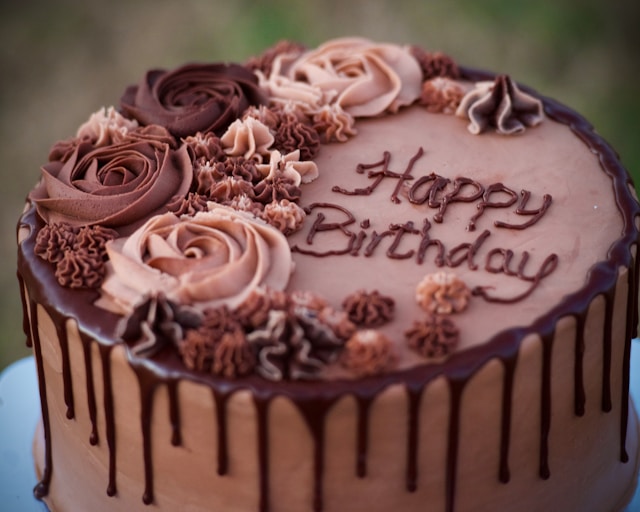


You’ve decided to bake a birthday cake from scratch. Maybe you want to surprise someone special, or maybe you’re just tired of store-bought cakes that taste like cardboard. Either way, you’re in the right place.
Baking your first birthday cake can feel overwhelming. There are recipes with 20-step instructions, decorating tutorials that require tools you’ve never heard of, and enough conflicting advice online to make your head spin. But here’s the truth: a delicious, beautiful birthday cake is well within reach—even for a complete beginner.
This guide walks you through everything you need to know to bake your first birthday cake with confidence. From the tools you’ll need and the mistakes to avoid, to a simple, foolproof recipe and beginner-friendly decorating tips, you’ll have everything you need to pull off a cake that tastes as good as it looks.
What You’ll Need Before You Start
Getting your tools and ingredients ready before you start baking makes the whole process smoother. There’s nothing worse than realizing halfway through a recipe that you’re missing a key ingredient.
Essential Baking Tools
You don’t need a professional kitchen to bake a great birthday cake. A few key tools will do the job:
- Two 8-inch round cake pans: Most basic birthday cake recipes are designed for this size.
- Electric hand mixer or stand mixer: Creaming butter and sugar by hand is exhausting. A mixer makes it quick and consistent.
- Mixing bowls: Have at least two on hand—one for wet ingredients, one for dry.
- Rubber spatula: Great for scraping down the sides of the bowl and spreading batter evenly.
- Wire cooling rack: Cakes need to cool completely before frosting, and a wire rack helps air circulate underneath.
- Offset spatula: This angled tool makes spreading frosting much easier than a regular knife.
- Cake turntable (optional but helpful): If you want smooth, even frosting, a turntable is a game-changer.
Key Ingredients to Have on Hand
For classic vanilla birthday cakes, you’ll need:
- All-purpose flour
- Baking powder
- Salt
- Unsalted butter (at room temperature)
- Granulated sugar
- Eggs (at room temperature)
- Whole milk (at room temperature)
- Pure vanilla extract
Room temperature ingredients are essential. Cold butter won’t cream properly, and cold eggs can cause the batter to curdle. Take them out of the fridge about 30 to 60 minutes before you start baking.
A Simple Beginner Birthday Cake Recipe
This is a classic vanilla layer cake—light, fluffy, and endlessly versatile. Once you’ve mastered this, you can experiment with different flavors and fillings.
For the Cake
- 2 ½ cups all-purpose flour
- 2 ½ tsp baking powder
- ½ tsp salt
- 1 cup (2 sticks) unsalted butter, room temperature
- 2 cups granulated sugar
- 4 large eggs, room temperature
- 1 cup whole milk, room temperature
- 2 tsp pure vanilla extract
For the Vanilla Buttercream
- 1 cup (2 sticks) unsalted butter, room temperature
- 4 cups powdered sugar, sifted
- ¼ cup heavy cream
- 2 tsp pure vanilla extract
- Pinch of salt
Step-by-Step Instructions
Step 1: Prep your pans and oven. Preheat your oven to 350°F (175°C). Grease two 8-inch round cake pans with butter or non-stick spray, then line the bottoms with parchment paper. This ensures your cakes release cleanly.
Step 2: Mix the dry ingredients. In a medium bowl, whisk together the flour, baking powder, and salt. Set aside.
Step 3: Cream the butter and sugar. In a large bowl, beat the butter and sugar together on medium-high speed for about 3 to 5 minutes, until the mixture is pale and fluffy. This step is crucial—it incorporates air into the batter, which makes the cake light.
Step 4: Add the eggs and vanilla. Add the eggs one at a time, beating well after each addition. Mix in the vanilla extract.
Step 5: Alternate adding dry ingredients and milk. With the mixer on low speed, add the flour mixture in three additions, alternating with the milk (beginning and ending with flour). Mix until just combined—overmixing develops the gluten and can make your cake dense and tough.
Step 6: Bake. Divide the batter evenly between the two prepared pans. Bake for 30 to 35 minutes, or until a toothpick inserted into the center comes out clean.
Step 7: Cool. Let the cakes cool in the pans for 10 minutes, then turn them out onto a wire rack to cool completely. Do not frost a warm cake—the buttercream will melt and slide right off.
Making the Buttercream
Beat the butter on medium speed until smooth and creamy (about 2 minutes). Gradually add the powdered sugar, one cup at a time, beating on low speed. Add the cream, vanilla, and salt, then beat on medium-high for 3 minutes until light and fluffy. If the frosting is too thick, add more cream. Too thin? Add more powdered sugar.
How to Frost a Birthday Cake
Frosting a cake neatly takes a little practice, but there’s a simple method that makes it much more manageable.
Step 1: Level Your Cakes
If your cakes have domed tops, use a long serrated knife to trim them flat. This gives you a stable base and makes stacking much easier.
Step 2: Apply the Crumb Coat
Place the first cake layer on your serving plate or cake board. Spread a generous layer of frosting on top. Place the second layer on top, pressing down gently. Spread a thin layer of frosting all over the outside of the cake. This is called the crumb coat—it traps any loose crumbs so they don’t end up in your final layer of frosting.
Refrigerate the cake for 20 to 30 minutes, until the crumb coat is firm.
Step 3: Apply the Final Coat
Apply a thicker, even layer of frosting over the whole cake. Use an offset spatula to smooth the sides, turning the cake as you go. If you have a turntable, now is the time to use it. Don’t worry about perfection—textured, rustic frosting looks just as charming as a perfectly smooth finish.
Beginner-Friendly Decorating Ideas
You don’t need a piping set or professional skills to make a birthday cake look impressive. Here are a few simple ideas that deliver big visual impact:
- Sprinkles: The easiest decoration there is. Press them gently onto the sides of the cake or scatter them over the top.
- Fresh fruit: Strawberries, raspberries, and blueberries look stunning arranged on top of a frosted cake.
- Piped rosettes: Fill a zip-lock bag with frosting, snip a small corner off, and pipe simple swirls around the top edge of the cake.
- Candles: The classic touch that never goes out of style. Arrange them by age, or create a pattern for added flair.
- Chocolate shavings: Use a vegetable peeler on a block of chocolate to create delicate curls. Scatter them over the top for an elegant, effortless finish.
Common Beginner Mistakes (And How to Avoid Them)
Even experienced bakers make mistakes. Knowing what to watch out for saves you time, ingredients, and frustration.
Not measuring ingredients accurately. Baking is a science. Eyeballing flour or sugar can throw off the entire recipe. Use a kitchen scale for precision, or at the very least, spoon flour into your measuring cup and level it off with a knife—never scoop directly from the bag, which packs in excess flour.
Opening the oven door too early. It’s tempting to check on your cake, but opening the oven in the first 20 minutes causes the temperature to drop suddenly, which can make your cake sink in the middle. Resist the urge.
Frosting a warm cake. Always let your cake cool completely—ideally for at least an hour at room temperature. Frosting a warm cake is one of the most common beginner mistakes, and the results are messy.
Skipping the crumb coat. It feels like an extra step, but the crumb coat is what separates a neat-looking cake from one covered in brown streaks. Don’t skip it.
Rushing the process. Great baking takes patience. Read the recipe fully before you start, measure everything in advance, and give yourself more time than you think you’ll need.
Frequently Asked Questions
Can I make the cake layers in advance?
Yes. Baked cake layers can be wrapped tightly in plastic wrap and stored at room temperature for up to two days, or frozen for up to three months. Thaw overnight in the refrigerator before assembling and frosting.
How do I stop my cake from sticking to the pan?
Grease the pans well and line the bottoms with parchment paper. Generosity with the grease is never a bad thing at this stage.
Can I substitute ingredients?
Some substitutions work better than others. Unsalted butter can be replaced with salted butter (just reduce the added salt). Whole milk can be swapped for buttermilk, which adds a subtle tang and makes the crumb tender. However, avoid substituting the eggs or flour without a tested alternative recipe, as these are the structural foundations of the cake.
How far in advance can I frost the cake?
A fully frosted cake can be refrigerated for up to two days. Bring it to room temperature for about an hour before serving for the best texture and flavor.
My buttercream is too sweet. What can I do?
Add a small pinch of salt or a splash of lemon juice to balance the sweetness. Both work surprisingly well.
Your First Cake Won’t Be Your Last
Baking a birthday cake from scratch is one of those skills that pays dividends every single time you use it. The first cake you make might not be perfect—and that’s completely fine. Every crack, lopsided layer, and smudged rosette is part of the learning curve.
What matters is the act of making something with your own hands. Follow the steps, trust the process, and don’t be afraid to experiment once you’ve got the basics down. Before long, people will be requesting your cakes for every birthday on the calendar.
Now preheat that oven and get started.