

The Resurgence of Zi Char Singapore: Why Younger Diners Are Flocking Back in 2026
When planning a Friday night dinner, younger adults in Singapore have endless options, from modern fusion cafes to trendy hotpot chains. Yet, a noticeable shift is happening across the island. Instead of chasing the newest fine-dining concept, younger crowds are gathering around plastic tables at neighborhood coffee shops. A great Zi Char Singapore meal is officially back in the spotlight, capturing the hearts and wallets of Gen Z and younger millennials in 2026.
This renewed love for local wok-fried dishes is not a random accident. It is a direct response to changing social habits, economic realities, and a craving for authentic experiences. Younger diners want food that brings people together without strict etiquette or inflated prices. They want bold flavors, relaxed environments, and dishes that tell a story.
If you are curious about how local food culture is evolving, you need to look at the heartland coffee shops. This guide explains the key dining trends driving younger diners toward zi char in 2026, including shifting group habits, digital influence, and the powerful pull of nostalgia.
How Zi Char Singapore Fits Modern Group Dining Habits
Dining out serves as the primary way young adults socialize in Singapore. After a long week of work or study, people want to unwind. They look for environments that encourage loud laughter, easy sharing, and zero pretense.
Zi char restaurants provide the ultimate backdrop for this type of gathering. The entire concept revolves around communal eating. You order a table full of different meats, seafood, vegetables, and soups, and everyone digs in. This style of eating breaks down barriers. Passing plates and fighting for the last piece of salted egg yolk chicken creates a shared experience that individual plated meals simply cannot match.
The Shift from Formal to Casual Communal Eating
In previous years, younger diners often favored quiet, highly curated spaces for their weekend meetups. In 2026, the preference leans heavily toward casual comfort. People want to dress down, grab a cold drink, and talk freely without worrying about keeping their voices down.
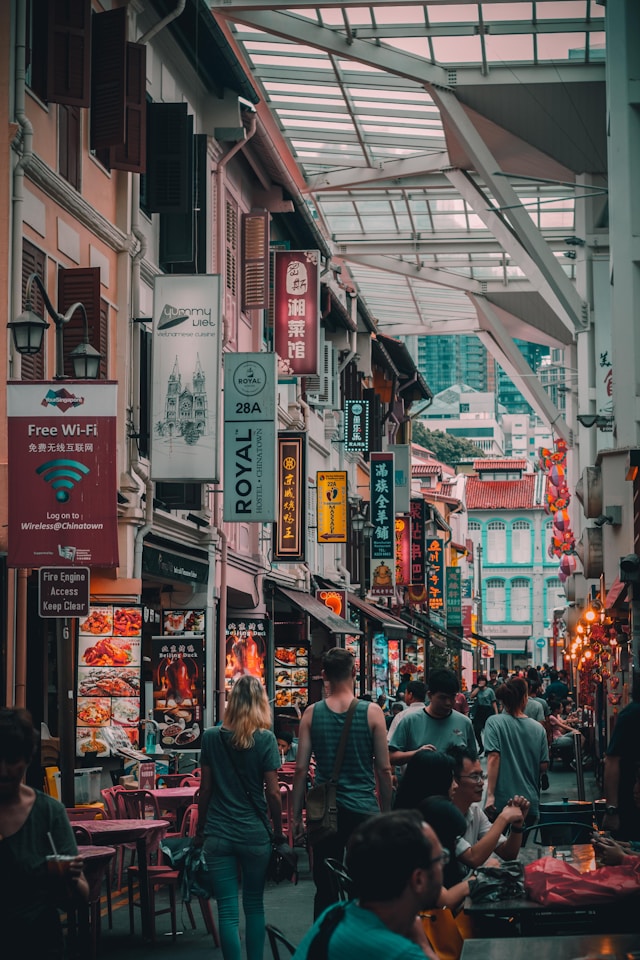
A local zi char stall offers this exact atmosphere. The fast-paced environment, the clanking of woks, and the open-air seating create a vibrant energy. For a generation that values genuine connection over formal presentation, this relaxed setting feels like a breath of fresh air.
Affordability Meets Quality in 2026
The cost of living remains a significant concern for young adults in Singapore. Rent, transport, and daily expenses take up a large portion of their income. As a result, diners are becoming much more strategic about how they spend their entertainment budgets. They want high-quality food, but they want it at a fair price.
Smart Spending Without Sacrificing Flavor
A Zi Char Singapore feast offers exceptional return on investment. When a group of five friends splits the bill at a local wok stall, they pay a fraction of what they would spend at a mid-tier restaurant in a shopping mall. Yet, the quality of the food often surpasses those more expensive venues.
You get access to fresh seafood, expertly cooked meats, and complex sauces. Splitting the cost of a whole steamed fish, a massive plate of cereal prawns, and a hotplate tofu makes premium ingredients accessible. Younger diners recognize this value. They know they can eat like kings on a Friday night and still stay well within their weekly budget.
Menu Preferences: A Mix of Classic and Modern
While the setting remains traditional, the way younger diners order is evolving. They still respect the classics, but they approach the menu with a modern palate.
You will always see staple dishes on their tables. Sweet and sour pork, sambal kangkong, and prawn paste chicken remain undisputed favorites. However, younger diners also show a strong appreciation for the technical skill required to execute these dishes. They actively seek out stalls known for their “wok hei”—that smoky, charred flavor that only a master chef can achieve over a high-pressure burner.
Wok Hei Meets Dietary Trends
In 2026, we also see a subtle shift toward balanced ordering. Younger consumers are generally more health-conscious. While they indulge in rich, deep-fried items, they balance the table with lighter, nutrient-dense options.
You will often see groups ordering clear seafood soups, steamed fish with light soy sauce, and multiple vegetable dishes alongside their heavier favorites. This balanced approach allows them to enjoy the comfort of zi char regularly without feeling sluggish afterward.
Social Sharing and the Digital Influence on Zi Char Singapore
You cannot discuss dining trends in 2026 without looking at social media. Platforms like TikTok, Instagram Reels, and YouTube Shorts dictate where people eat. Interestingly, the highly polished, aesthetic cafes are no longer the only places going viral.
TikTok, Reels, and the Search for Hidden Gems
Younger diners use social media as a search engine to find hidden culinary gems. Short-form videos featuring loud, bustling coffee shops and close-up shots of sizzling woks perform incredibly well online. The grittier and more authentic the stall looks, the more attention it gets.
Food creators in Singapore actively hunt for the best Zi Char Singapore locations tucked away in residential neighborhoods. When a video highlights a secret off-menu item or a chef with incredible wok skills, young diners flock to the location. They love the thrill of discovering an underrated spot and sharing that experience with their followers. This digital word-of-mouth has breathed new life into older, traditional stalls that previously relied only on neighborhood regulars.
Nostalgia as a Driving Force
Beyond budget and social media, a deeper emotional driver is pushing young adults back to local coffee shops. That driver is nostalgia.
Many young diners in 2026 grew up eating zi char with their parents and grandparents. These meals represent childhood weekends, family celebrations, and simple, happy memories. As these young adults navigate the pressures of modern careers and adult responsibilities, they actively seek out experiences that remind them of simpler times.
Finding Comfort in Familiar Flavors
Food is closely tied to memory. The taste of a perfectly executed crab meat fried rice or a comforting bowl of spinach in superior broth triggers a sense of home. In a rapidly changing city, these traditional stalls offer a comforting anchor.
Younger diners are not just paying for calories; they are paying for a connection to their heritage. By supporting these local stalls, they keep Singapore’s unique food culture alive. They find immense comfort in knowing that despite all the digital advancements of 2026, the taste of a good wok-fried dish remains exactly the same.
Quick Recap
Before you plan your next group dinner, remember why this traditional dining style is winning over the younger crowd in 2026:
- Communal connection: Shared plates encourage loud, relaxed, and genuine socializing.
- Unbeatable value: Groups enjoy premium seafood and expert cooking without breaking the bank.
- Digital discovery: Social media algorithms now favor authentic, hidden neighborhood gems over highly polished cafes.
- Deep nostalgia: Familiar flavors offer comfort and a connection to childhood family dinners.
Conclusion
The dining landscape in 2026 proves that you do not need expensive marketing or fancy decor to win over a younger audience. A great Zi Char Singapore meal delivers everything modern diners want: bold flavors, genuine communal experiences, and excellent value for money. As young adults continue to balance busy lives with a desire for authentic connection, these neighborhood wok stalls will remain the go-to choice for weekend gatherings.
Try skipping the usual mall restaurants this weekend. Gather a group of friends, find a highly-rated local stall on your favorite social app, and experience the unbeatable comfort of sharing a fantastic wok-fried feast.