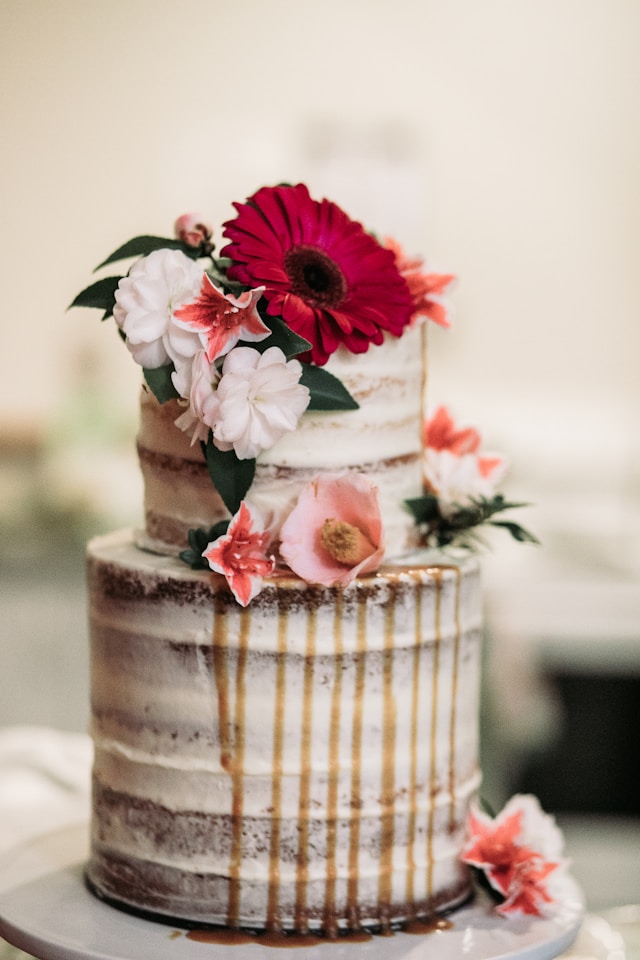


TL;DR: The most memorable wedding cakes combine standout design, bold flavors, and personal meaning. From sculptural tiers to unexpected fillings, the cakes guests talk about long after the reception are those that reflect the couple—not just the current trend.
The cake cutting is one of the few moments at a wedding where every single guest stops, looks up, and pays attention. No one’s checking their phone. No one’s refilling their drink. For a brief moment, all eyes are on one thing.
So why do so many couples end up with a cake that’s quickly forgotten?
The answer usually comes down to playing it safe. Couples scroll through Pinterest, land on whatever style is trending, and book the first bakery that can replicate it. The result is a beautiful cake—but not necessarily a memorable one. There’s a difference.
A truly memorable wedding cake does more than look good in photos. It surprises guests with an unexpected flavor. It tells a story about the couple. It becomes the thing people bring up at dinner months later: “Remember that lavender and honey cake at Sarah’s wedding? I’ve been thinking about it ever since.”
This guide walks through everything that goes into creating a cake like that—from flavor pairings that go beyond vanilla to design trends that age well, plus practical advice on how to work with your baker to bring a genuinely original vision to life.
Why Most Wedding Cakes Are Forgotten (And What to Do Instead)
The forgettable wedding cake isn’t bad. It’s just… fine. Three tiers of white fondant, a buttercream rose border, and a flavor that tastes exactly like a grocery store sheet cake. Guests eat it politely, say it was “lovely,” and never think about it again.
What separates a cake guests remember is intentionality. Every element—the flavor, the texture, the visual design, even the height—was chosen with purpose.
Flavor is often the biggest missed opportunity. Most couples default to vanilla sponge or chocolate because they assume it’s the safest crowd-pleaser. But modern bakeries have expanded their menus considerably. Brown butter cake with salted caramel filling, lemon curd with elderflower buttercream, champagne sponge with raspberry compote—these flavors are crowd-pleasers and conversation starters.
Design follows closely behind. A cake that looks like a painting, features hand-pressed botanicals, or incorporates an architectural element guests have never seen before creates a moment. That moment gets photographed, shared, and remembered.
Wedding Cake Flavors That Go Beyond the Basics
Flavor is the detail that lives longest in memory. Here are combinations worth considering:
Classic Flavors, Elevated
Some couples want to stay within familiar territory but still make an impression. The key is layering. A vanilla sponge becomes extraordinary with a salted honey mascarpone filling and a brown butter Swiss meringue buttercream. Chocolate cake transforms with a raspberry jam layer, dark chocolate ganache, and espresso buttercream.
The goal is contrast—sweet and salty, fruity and rich, light and dense. A single dominant flavor rarely leaves a lasting impression; a thoughtful combination always does.
Seasonal and Regional Flavors
Drawing from the season of the wedding adds another dimension. Spring weddings lend themselves to lemon, elderflower, and strawberry. Fall celebrations align naturally with spiced apple, pumpkin, and maple. Regional flavors—key lime in Florida, lavender honey in Provence-inspired settings, matcha in Pacific Northwest venues—anchor the cake to the place and time in a way guests won’t forget.
Unexpected Flavors That Work
A few combinations that consistently surprise guests in the best way:
- Olive oil and citrus: Dense, aromatic, and deeply satisfying
- Earl Grey and blackberry: Floral and tart with a sophisticated finish
- Champagne and peach: Light, celebratory, and uniquely suited to weddings
- Brown butter and hazelnut: Nutty and warm, especially popular in cooler months
The rule of thumb: choose a flavor you genuinely love, not one you think sounds impressive. Authenticity reads clearly—even in cake.
Wedding Cake Design Trends That Actually Age Well
Trends in wedding cake design move quickly. What feels fresh in January can look dated by December. The wedding cakes that hold up over time share a few common characteristics: restraint, craftsmanship, and a clear visual concept.
Textured Buttercream
Textured finishes—palette knife swirls, brushstroke effects, and organic ruffles—have replaced the rigid smoothness of fondant for many couples. These finishes photograph beautifully and feel more handcrafted. The movement in the texture also gives the cake visual depth without relying on heavy decoration.
Pressed Botanicals and Edible Flowers
Florals have long been part of wedding cake design, but the approach has shifted. Rather than placing fresh flowers on top of fondant, modern bakers press edible flowers and botanicals directly into buttercream, creating an almost painterly effect. Pansies, violas, lavender, and chamomile all work particularly well. This style ties the cake visually to the venue’s floral arrangements and feels seasonal rather than generic.
Painted Cakes
Hand-painted wedding cakes blur the line between dessert and art. Skilled bakers use food-safe pigments to create watercolor landscapes, floral murals, or abstract designs directly on fondant or buttercream. These cakes are genuinely one-of-a-kind—and guests know it.
Sculptural and Architectural Designs
For couples who want to make a statement, sculptural cakes are increasingly popular. Asymmetrical tiers, cakes designed to look like draped fabric, and geometric structures challenge what guests expect from a wedding cake. These designs require a skilled specialist baker, but the payoff is a cake that functions as a centerpiece in its own right.
Minimalist Cakes Done Right
Minimalism works beautifully when the quality of the base elements is exceptional. A single-tier cake with flawless buttercream, a sprig of rosemary, and a clean edge can be more striking than a heavily decorated five-tier design. The key is that every visible element is immaculate.
How to Incorporate Personal Meaning Into Your Wedding Cake
The cakes guests remember most are the ones that feel like they couldn’t have belonged to any other couple. Personal meaning can be woven into a cake in ways both visible and subtle.
Visual storytelling might mean incorporating a motif that matters to the couple—a botanical from where they got engaged, a pattern that echoes the architecture of their venue, or a color palette drawn from a meaningful place.
Flavor as biography is another approach. One couple famously served the cake from their first date as their wedding cake. Another incorporated the grandmother’s traditional spice cake recipe into one tier. These details get shared at the table and passed around the room.
Cultural elements are often underused. A cake that weaves in a design element from a family’s heritage—whether a traditional pattern, a symbolic color, or an ingredient significant to a culture—adds dimension that a trend-based cake simply can’t replicate.
When meeting with your baker, bring references not just for design, but for meaning. Share what matters to you as a couple. The best bakers will translate that into something visual and edible that guests will feel even if they can’t articulate why.
What to Discuss With Your Baker Before Booking
Choosing the right baker matters as much as choosing the right design. Here’s what to cover before signing a contract:
- Tasting appointments: Always attend a tasting. No amount of portfolio browsing replaces understanding how a baker’s work actually tastes.
- Guest count vs. cake size: Be clear about how many guests need to be served. Many couples supplement a display cake with a sheet cake cut in the kitchen—this allows for more dramatic design without ballooning costs.
- Structural considerations: If your venue is outdoors, in a warm climate, or involves transport over a long distance, discuss how the cake will hold up. Fondant is more heat-stable than buttercream; internal dowel structures matter for tall cakes.
- Customization limits: Some bakers specialize in specific styles. Ask directly whether they’re comfortable with your vision, and review their portfolio critically for examples that match what you’re asking for.
- Timeline: Most bakers require three to six months of lead time for weddings, with longer timelines necessary during peak season.
Frequently Asked Questions
How far in advance should we book our wedding cake baker?
Most reputable wedding cake bakers book out three to six months in advance. During peak wedding seasons (spring and fall), some fill their calendars even earlier. Booking eight to twelve months ahead is a safe approach, especially if you’ve identified a specific baker whose style you love.
How much does a custom wedding cake typically cost?
Custom wedding cake pricing varies significantly based on design complexity, number of tiers, serving count, and baker experience. In the United States, couples can expect to spend anywhere from $500 to $1,500 for a mid-range custom cake, with elaborate sculptural or hand-painted designs reaching $3,000 or more. Always request an itemized quote.
What flavors are most popular for wedding cakes in 2025?
Brown butter with salted caramel, lemon elderflower, Earl Grey with berry fillings, and champagne-flavored sponges are among the most requested flavors currently. Seasonal and regionally inspired flavors are also gaining popularity as couples look to differentiate their cake from the standard vanilla or chocolate options.
Can different tiers have different flavors?
Yes—and this is highly recommended. Offering two or three different flavor combinations across tiers gives guests variety and is especially useful if the couple has different flavor preferences. Ask your baker about how to structure a tasting to cover all planned tiers.
What’s the difference between fondant and buttercream finishes?
Fondant creates a smooth, polished surface ideal for intricate painted or sculpted designs, and holds up better in heat. Buttercream offers a softer, more textured finish, tastes better to most guests, and suits organic or rustic design aesthetics. The right choice depends on your design priorities and venue conditions.
Do we need to serve the whole cake to guests?
No. Many couples use a smaller, beautifully designed display cake for the cutting ceremony and supplement with sheet cakes in the same flavors served from the kitchen. This approach reduces cost while allowing for a more ambitious display cake design.
Make the Cake Worth Remembering
The reception ends. The flowers fade. The photographs stay, but what guests carry home in their memory is a feeling—and occasionally, a flavor they can’t quite forget.
A wedding cake worth remembering starts with two decisions made early: choosing a baker whose skill matches your vision, and resisting the pull toward whatever’s trending in favor of what’s genuinely meaningful to you. From there, every detail—the filling, the finish, the height, the flowers—can build toward something guests will still be talking about at the next wedding they attend.
Start by booking a tasting with two or three bakers whose portfolios move you. Bring your ideas, your references, and your story. The right baker will know exactly what to do with all of it.