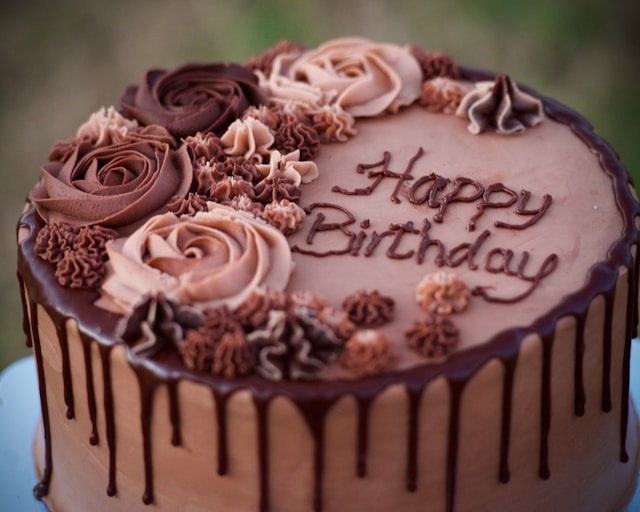


Quick answer: The best birthday cake balances a flavor the guest of honor loves with a design that matches the celebration’s tone. Start by choosing a base flavor (chocolate, vanilla, or a bold option like red velvet), then layer in filling, frosting, and decoration choices that reflect the person’s personality. Order 3–5 days ahead for custom designs, and always confirm allergy needs before finalizing.
Choosing a birthday cake sounds simple until you’re standing in front of a bakery menu with forty flavor combinations and a design portfolio that spans everything from minimalist buttercream to elaborate fondant sculptures. The cake is often the centerpiece of the entire party, the thing guests photograph before anyone’s had a slice, and the last thing people remember as they head home with a full stomach and a sugar high.
Getting it right means thinking beyond “chocolate or vanilla.” A memorable birthday cake reflects the person celebrating, suits the size and style of the gathering, and tastes as good as it looks. This guide walks through how to think about flavor, filling, frosting, and design so the final cake feels personal rather than generic.
What flavor of cake should you choose for a birthday?
Flavor is the foundation of any birthday cake, and it should be the first decision you make. Classic options like vanilla and chocolate remain popular because they’re crowd-pleasers, but they’re not the only route to a cake people will talk about.
Choose a classic flavor if you’re feeding a large or mixed-age group. Vanilla, chocolate, and yellow cake with chocolate frosting are safe bets because they rarely clash with dietary preferences and appeal to both kids and adults. These flavors also pair well with almost any filling or frosting, which gives you more flexibility with design.
Choose a bolder flavor if the birthday person has a clear favorite. Red velvet, lemon, carrot, and funfetti all bring more personality to the table. If the celebrant has mentioned loving a specific dessert flavor — say, salted caramel or matcha — building the cake around that preference turns it into something personal rather than a default order.
Consider the season. Citrus flavors like lemon or orange work well for spring and summer birthdays, while spiced flavors like carrot cake or pumpkin spice suit fall celebrations. This isn’t a strict rule, but it can guide a decision when you’re stuck between two similar options.
Should you offer more than one flavor?
For larger parties, many bakeries like bloomsburybakers.com offer tiered cakes with a different flavor on each layer, or sheet cakes cut in half with two flavors baked side by side. This is worth considering if you’re hosting a mixed group with different tastes, or if the birthday person genuinely can’t choose between two favorites.
How do fillings and frostings change the flavor of a birthday cake?
The cake itself is only part of the flavor equation. Fillings and frostings add texture and complexity, and they’re often what people remember most.
Fillings sit between the cake layers and can range from simple buttercream to fruit preserves, custard, ganache, or mousse. A raspberry filling paired with vanilla cake and chocolate frosting, for example, adds a tart contrast that keeps each bite interesting. Cream cheese filling works particularly well with red velvet or carrot cake.
Frostings affect both flavor and appearance. Buttercream is the most common choice because it’s easy to work with and holds up well for piping and decorating. Cream cheese frosting adds tang and pairs naturally with spiced cakes. Fondant creates a smooth, sculptural finish that’s ideal for intricate designs, though it’s typically less popular for taste since it’s denser and sweeter than buttercream.
Choose buttercream if flavor and texture matter more than a flawless finish. Choose fondant if the design calls for sharp edges, sculpted shapes, or vibrant color work that buttercream can’t achieve as cleanly.
How do you choose a birthday cake design that matches the occasion?
Design is where a birthday cake becomes memorable rather than just tasty. The right approach depends on the age of the celebrant, the formality of the event, and how much lead time you have.
What are good cake design ideas for kids’ birthdays?
Kids’ birthday cakes tend to lean into theme and color. Popular approaches include:
- Character cakes featuring a favorite cartoon, movie, or game, often achieved with edible printed images or hand-piped designs.
- Shaped cakes, where the cake itself is carved into a shape like a soccer ball, a dinosaur, or a favorite animal.
- Bright, playful decoration using sprinkles, fondant cutouts, and bold color palettes that photograph well for party pictures.
Simplicity works fine here — a well-executed sprinkle cake or a single fondant topper can feel just as celebratory as an elaborate sculpted design, and it’s usually easier to arrange on short notice.
What are good cake design ideas for adult birthdays?
Adult birthday cakes often shift toward more refined or personalized aesthetics. Options include:
- Minimalist designs with clean buttercream finishes, subtle texture (like a lambeth or textured swirl), and a small floral or gold-leaf accent.
- Photo cakes, using edible ink prints of a meaningful photo.
- Hobby- or interest-based designs, such as a cake shaped like a guitar, a travel destination, or a favorite drink.
- Naked or semi-naked cakes, which leave some of the cake layers visible through a thin layer of frosting, giving a rustic, textured look that pairs well with fresh fruit or flowers.
For milestone birthdays — 30th, 40th, 50th, and beyond — many people opt for a more elevated design with metallic accents, sculptural elements, or a tiered structure, even for a relatively small gathering.
How far in advance should you order a birthday cake?
For a simple bakery cake, 2–3 days’ notice is often enough. For a custom design involving fondant sculpting, multiple tiers, or hand-piped detail work, order at least 1–2 weeks ahead, especially during peak seasons like the December holidays or spring wedding season, when bakeries book up quickly.
What should you check before finalizing a birthday cake order?
A few practical details can prevent last-minute problems:
- Allergies and dietary needs. Always confirm whether any guests have nut, gluten, dairy, or egg allergies, and ask the bakery about cross-contamination policies if needed.
- Serving size. Bakeries typically size cakes by the number of servings, not by weight or diameter alone, so confirm the guest count before ordering.
- Delivery or pickup timing. Cakes with fondant or multiple tiers are sensitive to heat and can shift during transport, so plan pickup or delivery as close to the event start time as possible.
- Storage. Buttercream cakes should be kept cool but not necessarily refrigerated if being served within a few hours; cream cheese-based cakes need refrigeration until close to serving time.
Choosing why over what
The most memorable birthday cakes usually come down to one thing: they reflect the person being celebrated rather than defaulting to whatever’s easiest to order. That might mean picking a flavor tied to a favorite childhood memory, choosing a design that matches a hobby, or simply making sure the cake tastes as good as it looks.
Start with flavor, build out the filling and frosting to match, and let the design follow the tone of the celebration. With those three pieces aligned, the cake becomes less of an afterthought and more of a genuine highlight of the day.
Frequently Asked Questions
How much does a custom birthday cake typically cost?
Costs vary widely depending on size, design complexity, and bakery location, but simple custom cakes often start in the range of a standard sheet cake, while elaborate multi-tier or sculpted designs cost significantly more due to the labor involved.
Can you order a birthday cake with short notice?
Yes, many bakeries and grocery store bakeries offer same-day or next-day options for simpler designs. Custom or multi-tier cakes almost always require more lead time, so it’s best to call ahead and ask about availability.
What’s the difference between buttercream and fondant cakes?
Buttercream is softer, easier to eat, and offers a more traditional cake flavor, while fondant provides a smooth, sculptural finish ideal for intricate designs but tends to be sweeter and denser in texture.
Are there good birthday cake options for people with dietary restrictions?
Many bakeries now offer gluten-free, dairy-free, egg-free, and vegan cake options. It’s best to ask directly about ingredients and cross-contamination practices, especially for guests with severe allergies.
Should the birthday cake match the party theme?
It’s not required, but a cake that echoes the party’s color scheme or theme often ties the celebration together visually and makes for better photos, especially at themed kids’ parties.