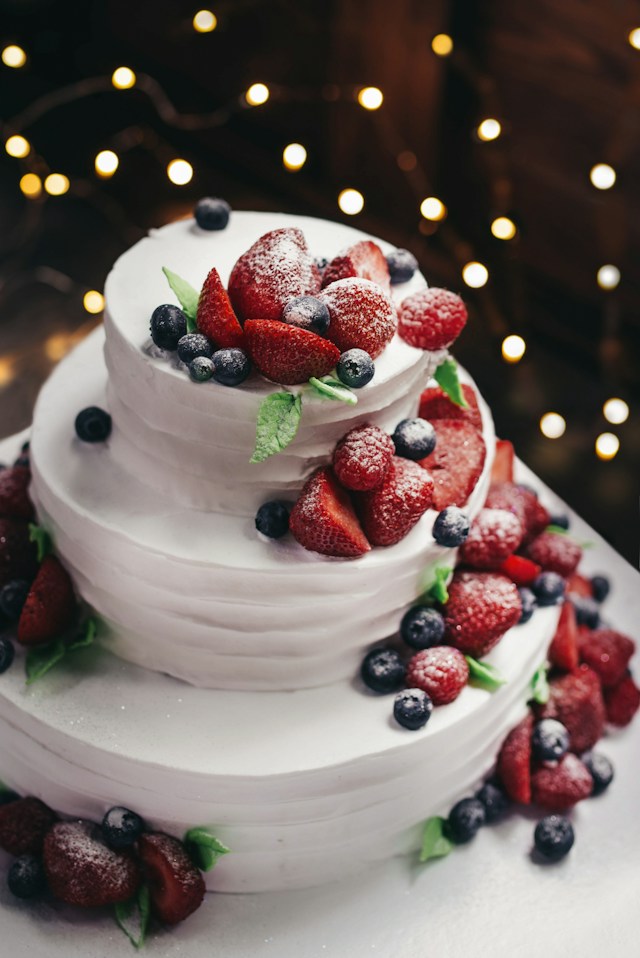


Quick answer: Couples can satisfy guests with different tastes and dietary needs by choosing a tiered cake with multiple flavors, offering at least one gluten-free and one vegan option, consulting their baker early about allergies, and pairing a crowd-pleasing classic flavor with one or two adventurous choices. This approach balances variety with practicality, so every guest leaves the reception with a slice they’ll remember.
Choosing a wedding cake used to mean picking between vanilla and chocolate. Now, with guest lists spanning different generations, cultures, and dietary requirements, that decision has become far more complex. One relative might be celiac, another vegan, and a third simply allergic to nuts. Meanwhile, the couple wants a cake that reflects their personality and tastes incredible.
The good news is that you don’t need a dozen separate cakes to make this work. With a bit of planning and the right conversations with your baker, you can design a dessert table that delights nearly every guest without compromising on style or flavor.
This guide walks through practical strategies for selecting wedding cake flavors that accommodate different palates and dietary needs, from tiered flavor combinations to allergy-friendly substitutions and smart tasting strategies.
Why Does Flavor Variety Matter So Much at Weddings?
Wedding guests are rarely a uniform group. You’ll likely have children who want something sweet and simple, older relatives who prefer traditional flavors, and friends who are excited to try something unexpected. Add dietary restrictions into the mix, and a single-flavor cake starts to feel like a missed opportunity.
Offering variety also signals thoughtfulness. When guests see that a couple considered their preferences and needs, it adds a personal touch to the celebration. A cake isn’t just a centerpiece. It’s one of the few things nearly every guest interacts with directly, so it’s worth getting right.
How Many Flavors Should a Wedding Cake Have?
Most wedding cakes have two to four tiers, and each tier can feature a different flavor. This gives couples the flexibility to include a mix of classic and creative options without overwhelming the dessert table.
A common approach is to choose one universally loved flavor (like vanilla bean or classic chocolate) for the largest tier, since that’s typically what gets served to the majority of guests. Smaller tiers can then feature more distinctive flavors, such as lemon raspberry, salted caramel, or red velvet, for guests looking for something different.
If the venue allows it, some couples skip the traditional tiered format entirely and opt for a smaller display cake paired with a dessert table of cupcakes or petit fours in varied flavors. This setup naturally accommodates more variety, since guests can choose exactly what appeals to them.
What’s the Best Way to Accommodate Gluten-Free Guests?
Gluten-free cake has improved significantly in recent years, and a well-made gluten-free tier can taste just as good as a traditional one. Almond flour, rice flour, and gluten-free flour blends all produce moist, flavorful wedding cakes Singapore when handled by an experienced baker.
Couples should ask their baker directly whether they have experience baking gluten-free tiers and whether they take precautions against cross-contamination, such as using separate equipment or baking gluten-free tiers first. For guests with celiac disease, cross-contamination isn’t a minor inconvenience. It can cause a serious reaction, so this step matters.
Choose if: You know even one guest has celiac disease or a severe gluten sensitivity. In that case, a dedicated gluten-free tier (clearly labeled) is the safest and most inclusive option, rather than relying on a “gluten-reduced” recipe.
How Can Couples Offer a Vegan Option Without Sacrificing Flavor?
Vegan wedding cakes have come a long way from the dense, dry reputation they once had. Modern vegan baking uses substitutes like aquafaba, flax eggs, coconut oil, and plant-based milks to achieve the same light, moist texture as a traditional buttercream cake.
When requesting a vegan tier, ask your baker for a tasting in advance. Vegan cakes can vary widely in quality depending on the recipe and the baker’s experience with plant-based ingredients. A good vegan chocolate cake, for instance, can taste just as rich as a traditional one if made with high-quality cocoa and the right fat substitutes.
Choose if: Your guest list includes vegan attendees or anyone who avoids dairy and eggs for ethical, religious, or health reasons. A single vegan tier, or a batch of vegan cupcakes, is usually enough to cover this need without requiring a full redesign of the dessert.
How Should Couples Handle Nut Allergies and Other Common Allergens?
Nut allergies are among the most serious dietary concerns to plan around, since exposure can be life-threatening. If any guests have a nut allergy, inform your baker well in advance so they can avoid nut-based ingredients, such as almond flour or praline fillings, in at least one tier.
It also helps to clearly label each cake flavor at the reception, noting common allergens like nuts, dairy, soy, or gluten. This small step allows guests to make informed choices without needing to ask the catering staff directly, which some may feel uncomfortable doing in a social setting.
Beyond nuts, consider other common allergens such as dairy and soy, particularly if you know specific guests who avoid them. A simple card near the cake table listing ingredients for each tier goes a long way toward making guests feel considered and safe.
What Flavor Combinations Work Well for Mixed Guest Preferences?
Some flavor pairings tend to appeal across a wide range of palates because they balance familiar and adventurous elements. Popular combinations include:
- Vanilla bean with raspberry filling: A classic base with a bright, fruity twist that appeals to traditional and adventurous eaters alike.
- Chocolate with salted caramel: Rich and indulgent, with a flavor profile most guests find irresistible.
- Lemon with blueberry or elderflower: A lighter option that works well for spring and summer weddings.
- Carrot cake with cream cheese frosting: A favorite among guests who prefer less sweet, more textured desserts.
- Red velvet with cream cheese filling: A visually striking option that’s also widely loved.
Pairing a well-known combination like vanilla and raspberry with one bolder option, such as spiced chai or matcha, gives guests enough variety to find something they enjoy without making the cake feel disjointed.
Should Couples Schedule Multiple Cake Tastings?
Yes, and this step is often underrated. Most bakeries include a tasting session as part of their wedding cake package, but couples should take full advantage of it by requesting samples of every flavor under consideration, including gluten-free and vegan options.
Bring a few trusted guests to the tasting if possible, especially anyone with dietary restrictions. Their feedback can help confirm whether the gluten-free or vegan tier actually tastes as good as the traditional options, rather than feeling like an afterthought.
If your baker offers a second tasting closer to the wedding date, consider taking it, particularly if you’ve made any adjustments to flavors or recipes since the first tasting.
How Far in Advance Should Couples Discuss Dietary Needs With Their Baker?
Ideally, couples should raise dietary accommodations during their very first consultation with the baker, which typically happens six to nine months before the wedding. This gives the baker time to test recipes, source specialty ingredients, and plan for any additional preparation steps that allergy-friendly or diet-specific tiers require.
Waiting until closer to the wedding date limits your options. Some bakers need extra lead time for gluten-free or vegan tiers specifically because these recipes require more trial and error to get the texture and flavor right.
What Are Some Budget-Friendly Ways to Offer Variety?
Full custom tiers for every dietary need can get expensive, but there are more affordable ways to offer variety:
- Cupcake towers: Mixing a few traditional cake tiers with a tower of assorted cupcakes allows for more flavor variety at a lower cost than multiple full tiers.
- Dessert bars: Pairing a smaller cake with a dessert bar featuring cookies, mini pies, or fruit tarts in different flavors spreads variety across multiple items instead of concentrating it all in the cake.
- Sheet cake backup: Some couples opt for a beautiful display cake for photos, paired with a simpler sheet cake in the kitchen to serve the bulk of guests. This cuts costs while still allowing for a stunning centerpiece.
Choose if: You’re working with a tighter budget but still want to accommodate a range of tastes and dietary needs. These alternatives often cost less than ordering several fully customized tiers.
Making the Cake Table Work for Everyone
Choosing wedding cake flavors for a diverse guest list comes down to communication, planning, and a willingness to prioritize inclusion alongside aesthetics. Start conversations with your baker early, be upfront about any known allergies or dietary needs among your guests, and don’t be afraid to schedule extra tastings to get it right.
A thoughtfully planned cake table does more than taste good. It shows your guests, from grandparents to gluten-free friends, that they were considered when you planned your big day. That kind of thoughtfulness tends to be remembered long after the final slice is served.
Frequently Asked Questions
How much does it cost to add gluten-free or vegan tiers to a wedding cake?
Specialty tiers typically cost more than traditional cake due to pricier ingredients and the extra preparation time required. Couples should ask their baker for a specific quote, since pricing varies widely by region and bakery.
Can gluten-free and vegan cake taste as good as traditional cake?
Yes, when made by a baker experienced with these recipes. Ingredients like almond flour, aquafaba, and coconut oil can produce a cake with similar moisture and flavor to traditional recipes, though the texture may differ slightly.
How do we find out about our guests’ dietary restrictions?
Include a dietary restrictions question on your wedding RSVP card or digital invitation. This gives you a clear count of how many gluten-free, vegan, or allergen-free portions you’ll need.
What if we can’t accommodate every dietary need?
Prioritize the most common and most serious restrictions, such as life-threatening allergies and gluten intolerance, and offer at least one alternative dessert option, like a fruit platter, for less common dietary needs.
Is it better to order from one bakery or split the order between multiple bakeries?
Most couples stick with one bakery for consistency in design and flavor, but if your usual bakery doesn’t specialize in allergen-free baking, it’s reasonable to order a dedicated gluten-free or vegan tier from a specialty bakery separately.