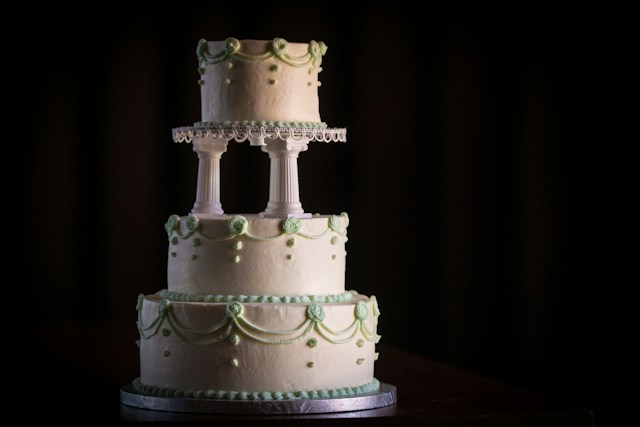


Quick answer: To send a customized cake design reference, share clear, well-lit photos through email, a shared folder, or your baker’s online order form, and describe the specific elements you want recreated. Bakers can legally draw inspiration from a reference photo, but directly copying a copyrighted design, licensed character, or another artist’s exact cake can create legal and ethical issues. The safest approach is requesting an “inspired by” interpretation rather than an exact replica.
Ordering a custom cake can feel a little like hiring an artist without knowing the right vocabulary. You’ve found the perfect photo online, saved it to your phone, and now you’re wondering how to actually get it into your baker’s hands. Then a second question creeps in: is it even okay to ask someone to copy a cake they didn’t design?
These two questions come up constantly in cake-ordering conversations, and for good reason. The way you share your reference image affects how accurately your cake turns out, and the legal and ethical lines around “copying” a design are blurrier than most people realize. A wedding cake inspired by a Pinterest find is common practice. A cake replicating a trademarked character without permission is a different matter entirely.
This guide walks through exactly how to send a design reference to your baker, what information to include alongside the photo, and how to think about the copying question so you can order with confidence.
What’s the best way to send a cake design reference to your baker?
Most bakers from bloomsburybakers.com will tell you the same thing: more images and more context beat a single photo every time. Here’s how to put together a reference package that actually helps.
Choose clear, well-lit photos
A blurry screenshot or a heavily filtered Instagram photo makes it hard for a baker to judge proportions, colors, and texture accurately. Look for images where:
- The lighting is natural or neutral (avoid yellow-toned indoor lighting that skews colors)
- The full cake is visible, including the top and sides
- Any fine details, like piping or sugar flowers, are shown in a close-up shot
If you only have one imperfect photo, that’s still workable. Just flag which details matter most so your baker knows where to focus.
Send multiple angles when possible
A single front-facing photo hides a lot of information. If you can find (or take) images from different angles, your baker gets a much more complete picture of height, layering, and finishing details. This matters most for tiered cakes, where proportions between layers are easy to miscommunicate through a flat photo.
Use your baker’s preferred communication channel
Most custom cake bakers will specify how they want references submitted. Common options include:
- Email: Still the most common method, and it keeps a written record of your request.
- Online order forms: Many bakeries now use intake forms with image upload fields, which keeps all your project details in one place.
- Shared albums or folders: Useful if you have several reference images and want to organize them by theme (flowers, colors, cake topper, etc.).
- Text or messaging apps: Convenient for quick back-and-forth, though images sent this way sometimes compress and lose quality.
Avoid sending images embedded in a group text thread with no explanation. A baker receiving a photo with “this but my colors instead” has to guess at a lot of specifics.
Describe what you want changed or kept
The photo shows your baker what’s possible. Your written description tells them what’s essential. Be specific about:
- Flavor and filling (the reference photo won’t tell them this)
- Size and serving count
- Color adjustments (exact Pantone shade if you have one, or a comparison object like “sage green, similar to eucalyptus leaves”)
- Any text, numbers, or names to include
- Dietary restrictions or allergies
A good rule of thumb: if you had to describe this cake over the phone with no photo at all, what would you say? Include those details in writing, even when you’re also sending an image.
Can a baker legally copy a cake design from a reference photo?
This is where things get more nuanced. The short answer is that bakers can draw inspiration from a photo, but exact replication of someone else’s protected design carries legal risk, especially when licensed characters, branded logos, or another artist’s signature cake style are involved.
Understand the difference between inspiration and reproduction
Cake decorating techniques themselves, like buttercream rosettes, fondant draping, or ombré coloring, are not protected by copyright. These are general artistic techniques, similar to how no one owns the rights to “painting with watercolors.” A baker recreating a style or technique they saw in a photo is on solid legal ground.
The issue arises when a specific design is distinctive enough to qualify as original artistic work, or when it includes copyrighted or trademarked material. A few examples:
- Choose caution if the reference includes a licensed character. Cakes featuring Disney characters, Marvel superheroes, or branded franchise logos involve intellectual property owned by someone else. Many bakeries will recreate a “generic unicorn” or “space-themed” cake but decline to reproduce an exact, recognizable character design without a license.
- Choose caution if you’re asking to copy another baker’s signature design. Some cake artists build a reputation around a specific, highly original style. Asking a different baker to replicate that exact design, down to every detail, can raise copyright concerns if the original is distinctive enough to be considered protected artistic work.
- Feel confident requesting general inspiration. If your reference photo shows a color palette, a general theme (like “boho floral” or “drip cake”), or a popular technique, your baker can almost always use that as a jumping-off point without legal concern.
Ask your baker how they handle reference images
Reputable custom bakers have usually thought this through already. Many will explicitly describe their reference photos as “inspiration only” in their contracts or order forms, meaning they’ll interpret the design in their own style rather than reproduce it stroke for stroke. This protects both the baker and the client, and it often results in a better cake anyway: a skilled decorator adapting an idea to their own technique, rather than attempting an exact copy.
If you’re set on a specific licensed character or an exact replica of a well-known cake design, ask your baker directly whether that’s something they’re comfortable creating. Some will accommodate small, personal-use requests (a birthday cake for your child, not for commercial sale), while others have strict policies against reproducing licensed material altogether.
Consider trademark and copyright risk if you’re reselling
The legal stakes are higher if the cake is being sold commercially, say, for a bakery business or a cake-for-hire side hustle, rather than ordered for personal use. Using a licensed character or trademarked logo on a cake sold for profit, without permission, raises bigger legal questions than a one-off birthday cake made for a private party. If you’re a baker fielding these requests regularly, it’s worth having a clear policy on licensed characters and sharing it upfront with clients.
What should you include with your reference photo?
To recap, a strong reference submission typically includes:
- One or more clear photos of the design
- A written description of flavor, size, and any customizations
- Notes on what’s most important to replicate versus what’s flexible
- Any specific colors, text, or dietary needs
- A question to your baker about whether the exact design (especially if it includes a licensed character) is something they can create
Sending this all at once, rather than in scattered follow-up messages, helps your baker quote accurately and avoid miscommunication closer to your event date.
Start the conversation with your baker early
Custom cakes take time to plan, and the back-and-forth over design details often takes longer than people expect. Sending a thoughtful, complete reference package upfront, photos plus written specifics, gives your baker everything they need to create something close to your vision (or even better than it). And if your reference includes a licensed character or another artist’s signature design, asking about it directly saves everyone a headache later.
The best custom cakes usually come from collaboration, not exact replication. Give your baker the creative room to interpret your reference in their own style, and you’ll likely end up with a cake that captures the spirit of what you wanted, made even better by the hands that built it.
Frequently Asked Questions
How many reference photos should I send my baker?
There’s no strict limit, but two to four clear photos covering different angles and close-up details is usually enough. More than that can be overwhelming without added value, while a single photo sometimes leaves too much open to interpretation.
Is it illegal to ask a baker to copy a licensed character cake?
Not necessarily illegal for personal use, but it can raise copyright and trademark concerns, especially if the cake is sold commercially. Many bakers will create a close interpretation (a “unicorn-inspired” design, for example) rather than an exact licensed character reproduction to avoid infringement issues.
What if I can’t find a good photo of what I want?
Describe the cake in as much detail as possible, or combine elements from multiple reference photos (colors from one, shape from another, decorations from a third). Most experienced bakers can work from a detailed written description alone if needed.
Will my cake look exactly like the reference photo?
Not always, and that’s usually by design. Bakers often use references as creative inspiration rather than a blueprint, adapting techniques to their own skill set and style. If exact replication matters to you, say so clearly and ask your baker whether that’s realistic given their process.
Should I ask about copying costs upfront?
Yes. Highly detailed or technically difficult designs, like hand-painted details or sculpted elements, often cost more to replicate. Ask for a quote based on your reference photos before finalizing your order so there are no surprises later.